
Why Traveller Mental Health Emergencies in Asia Now Demand Insurer Attention
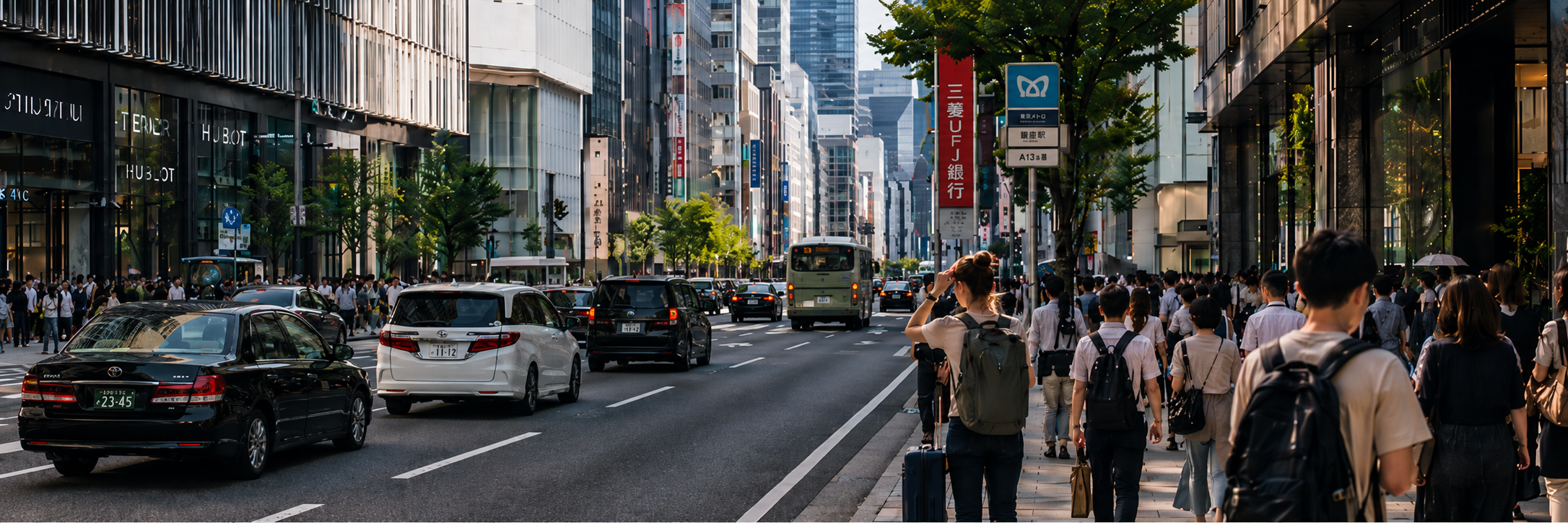
The rising numbers demand travel insurer attention
Mental health emergencies in travellers in Asia are becoming an important operational issue for travel insurers.
The evidence is not always visible in clean public statistics. Many of these cases are not recorded as “psychiatric emergencies”. They appear instead as arrests, drug-related incidents, missing-person enquiries, or complex consular matters.
That means the trend is partly hidden. But the signal is becoming harder to ignore.
Tourism volumes across Asia have recovered strongly. More travellers are moving through high-volume destinations such as Japan, South Korea, Thailand, Bali, Vietnam, Singapore and Malaysia. Even if the rate of psychiatric crisis per traveller has not changed, the absolute number of cases will rise.
Travel itself can also trigger or worsen mental health conditions. Sleep disruption, jet lag, alcohol or drug exposure, medication interruptions, loneliness, financial stress, cultural dislocation and unfamiliar legal systems can quickly turn a vulnerable traveller into a complex assistance case.
For insurers, the challenge is not only clinical. It is operational as well.
A traveller in crisis may first present as a hotel disturbance, a panic attack, a missing-person report, refusal to board a flight, an arrest, a request for urgent evacuation, or a family calling from overseas in distress.
The case may be medically urgent, reputationally sensitive and expensive, while policy coverage remains uncertain. Mental health cover is still a grey area in many travel insurance products, especially when it is a pre-existing condition, and with substance involvement.
This is why early triage matters. The best response is not late denial.
It is early safety assessment, and referral for local stabilisation where possible. In remote regions and outside major cities of Asia and the Pacific this can be extremely challenging due to multiple reasons.
Rapid policy clarification regarding cover is essential, and family and consular coordination may be needed.
Mental health emergencies should no longer be treated as rare welfare exceptions. They are becoming part of mainstream travel assistance.