
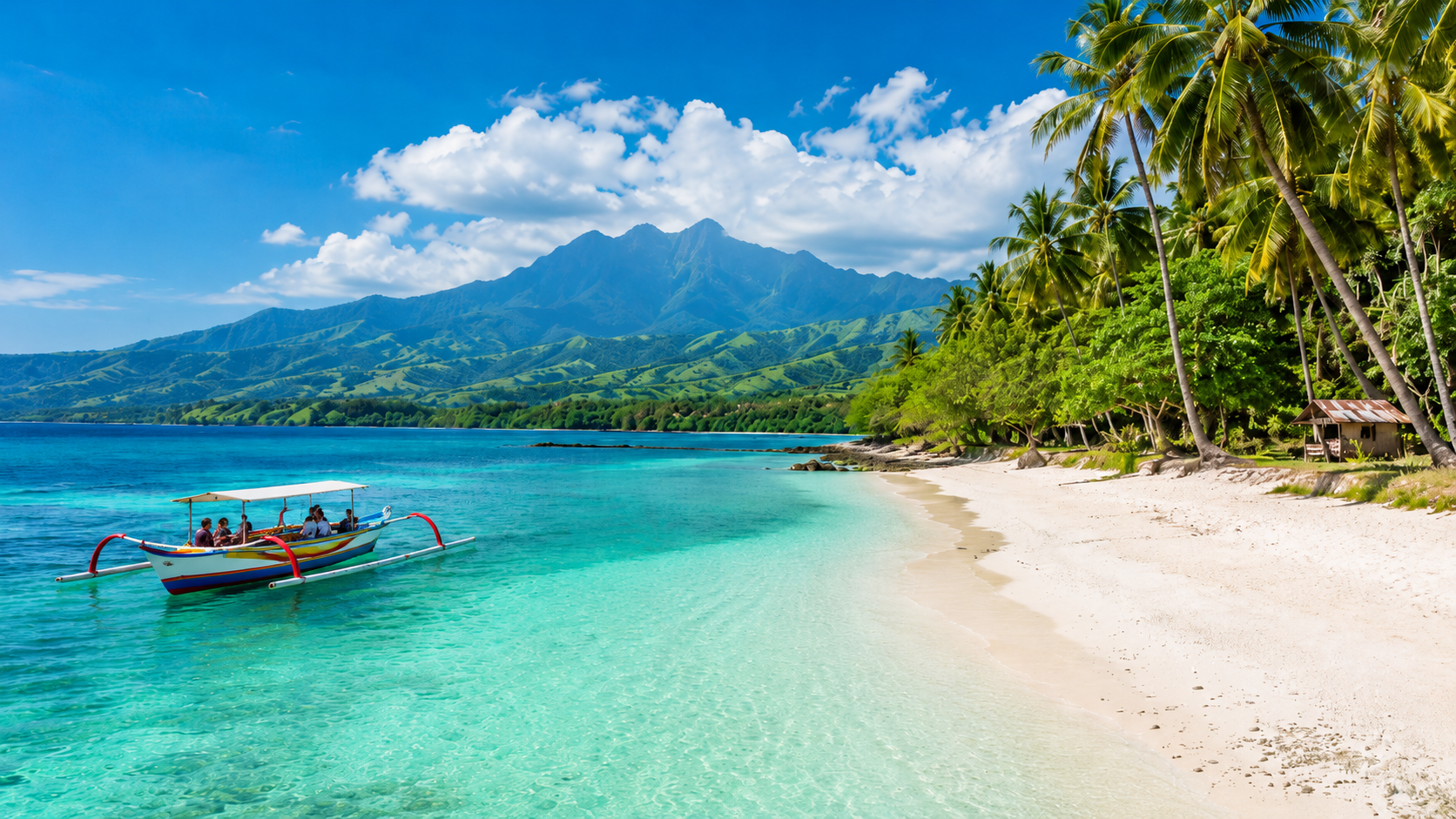
Lombok Indonesia
:medical assistance outlook
key facts
Lombok, Indonesia is growing rapidly as a travel destination in Asia — especially in Mandalika, surf travel and trekking on Mount Rinjani. The island presents a very specific care environment that requires the right escalation strategy. Here are several operational insights.
1. Lombok operates on a two-tier medical system
Mataram is the island’s primary hospital hub, where private hospitals can provide imaging, surgical services and has ICU capability.
For complex cases transfer to Bali, Jakarta or outside Indonesia may be required. Therefore, early escalation planning is critical.
2. Geography matters more than many realise.
Central Mataram has immediate hospital access. A traveller on Gili Trawangan or in remote surf locations may require boat and road transfers before reaching hospital-level care. For cases on Mount Rinjani, extraction logistics, terrain and weather can significantly delay medical access.
3. The case mix is fairly predictable
Reports from clinics, and hospitals indicate that gastrointestinal illness and dehydration, scooter and road traffic injuries, surfing or trekking injuries, febrile illnesses (including dengue), and dog bites with rabies risk are the most common conditions.
4. Adventure travel drives higher-acuity cases
Three activities stand out in Lombok:
- Scooter / motorbike accidents are one of the most common serious trauma mechanisms among travellers in Lombok.
- Mount Rinjani trekking - several recent incidents have highlighted how remote terrain and difficult rescue conditions can complicate emergency response.
- Diving - The Gili Islands diving sector has developed local response capability including access to hyperbaric treatment pathways.
Key operational insights
Lombok is not equivalent to Bali, Indonesia in terms of medical infrastructure and accessibility.
A successful case management usually depends on:
• Knowing which clinics are reliable for initial care
• Understanding the hospital network in Mataram
• Recognising early when a transfer or escalation may be required
• Managing the logistics of remote tourism locations