
Sri Lanka’s Dengue Surge - Rising Cases, Hospital Pressure and Emerging Insurer Challenges
Insights from Frontierer Medical Team
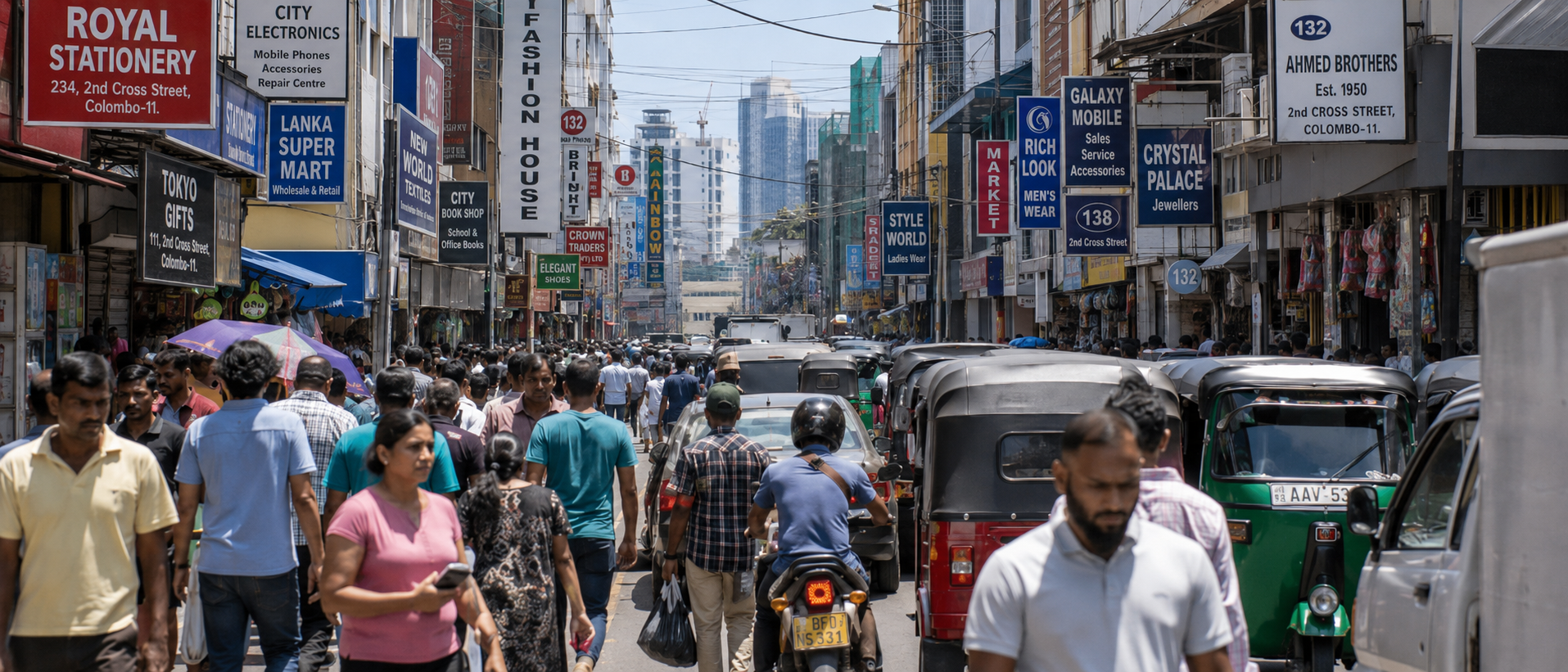
Sri Lanka is currently experiencing a surge in dengue infections to epidemic proportions.
Official data released by the National Dengue Control Unit (NDCU) of the Ministry of Health, Sri Lanka, reported 58,810 dengue cases and 39 deaths as of midnight on 3 July 2026, with 21,549 cases in June alone and 3,422 cases in the first three days of July.
The Western Province, where the capital city Colombo is located, accounted for 52.5% of cases. Colombo reported 20% of total cases, followed by Gampaha (19%). Recently, the NDCU reported a rapid acceleration in the number of cases.
With 39 dengue-related fatalities reported in 2026, the reported case fatality rate is approximately 1 death for every 1,428 reported dengue cases.
The Ministry of Health has set up a Dengue Operations Centre to manage the epidemic level surge.
Why is dengue important for local populations and travellers?
Dengue is important because it is not just “a fever illness.” Most cases recover, but a minority can deteriorate quickly, often just when the fever appears to be settling. Patients may appear to improve when the fever settles, but this is often the danger period. The CDC notes that warning signs usually begin in the 24–48 hours after the fever has gone away.
Dengue is a mosquito-borne viral infection. About 1 in 4 infected people become sick, and among those who are sick, about 1 in 20 develop severe dengue. Severe dengue can become life-threatening within hours and often requires hospital care.
What does dengue do to healthcare provision in practical terms
For hospitals, dengue creates bed pressure because many patients need inpatient beds for admission, ward-level close observation and clinical interventions. Patients generally need serial blood tests, careful fluid titration and reassessment for bleeding or shock. This is why a dengue surge can overwhelm bed capacity even when most cases are not ICU cases. ICU-level care may be required for severe cases, particularly when patients present late or have been managed suboptimally before admission.
Public hospitals in Sri Lanka: several facilities are at or beyond practical capacity
Public hospitals are under the most visible strain. Frontierer’s observations in Sri Lanka found that hospitals in several parts of the country had reached full capacity because of the growing dengue caseload, with dengue wards overcrowded and hundreds of new admissions daily. The pressure was described as particularly severe in the Western Province, with sharp rises also reported in Galle, Matara, Kegalle and Kandy.
The operational impact of the case surge includes:
• Overcrowded dengue wards
• Patients being accommodated wherever possible
• Extreme pressure on doctors and nurses, with the current doctor shortage affecting timely attention and interventions
• Delays in close monitoring
• Pressure on sanitation and basic ward infrastructure
Private hospitals: also absorbing pressure, especially in Colombo and Western Province
Private hospitals are not insulated from the surge. Private hospitals are also being flooded with dengue patients.
The practical implications for private hospitals are likely to be strongest in Colombo, Gampaha and Kalutara, because the Western Province is carrying the largest share of cases.
Private hospitals may still be preferable for overseas insured travellers, but the surge is likely to increase demand for private beds and higher-cost admissions. The insured patients may be required to be transfered from one facility to another with increased insurer cost burden. With a worsening epidemic-level surge, insurers will face multiple challenges.
Geographic pattern of bed pressure
The highest pressure is in:
Colombo and Gampaha — Main case burden. These areas have high traveller relevance. Major private and public hospitals are located here.
Wider Western Province including Negombo and Kalutara — Sustained high caseload. High traveller relevance.
Southern Province: Galle and Matara — rising admissions reported. High traveller relevance due to popular beach locations and World Heritage Site, Galle.
Kandy and Kegalle — Report sharp increases in admissions. High traveller relevance due to Kandy sacred city.
Why is dengue clinically important?
Dengue is clinically important because it can cause capillary leakage, shock, bleeding and organ impairment, often around the time the fever improves.
Dengue can cause three dangerous problems.
1. Plasma leakage and shock
This is the most important mechanism in severe dengue. The small blood vessels become “leaky,” so fluid leaves the bloodstream and moves into body spaces such as the pleural cavity or abdomen. The patient may then develop haemoconcentration, low circulating volume, low blood pressure and shock. The CDC defines severe dengue as dengue with severe plasma leakage causing shock or fluid accumulation with respiratory distress, severe bleeding, or severe organ impairment.
This is why dengue patients often need serial full blood counts, haematocrit monitoring, platelet monitoring, careful fluid balance and observation, rather than just fever control.
2. Bleeding risk
Dengue can cause low platelets, vascular fragility and coagulation abnormalities. Bleeding may be mild, such as gum bleeding or nosebleeds, but severe dengue can cause gastrointestinal bleeding, internal bleeding and shock. The danger is higher if patients take aspirin, ibuprofen, diclofenac or other NSAIDs.
3. Organ involvement
Severe dengue can affect the liver, brain, heart and kidneys. The CDC lists severe organ impairment as part of severe dengue, including impaired consciousness or heart impairment.
What are the main reasons for the current dengue surge in Sri Lanka?
The current Sri Lankan surge is mainly being driven by monsoon rain, flooding, standing water due to poor drainage, post-cyclone debris, dense urbanisation, construction activity and intense transmission in the Western Province.
So, the current surge appears to be caused by several factors happening together.
1. Southwest monsoon rainfall and flooding
Sri Lanka has a known seasonal dengue pattern, with peaks linked to the southwest and northeast monsoons. The National Dengue Control Unit states that transmission has two annual peaks corresponding to the monsoon periods. Sri Lanka is currently experiencing increased rainfall due to the southwest monsoon, which has affected Colombo, the southwest and the southern parts of the country, where much of the population lives. These areas also include some of the most popular tourist destinations in the country.
Increased rainfall has expanded mosquito breeding sites in urban and peri-urban areas.
2. Standing water due to poor drainage and waste accumulation
Aedes mosquitoes breed in clean or relatively clean stagnant water. Ongoing rainfall, inadequate drainage and waste accumulation continue to support mosquito proliferation. This is especially relevant in dense urban areas, where many small breeding sites can exist close to human populations.
3. Post-cyclone debris after Cyclone Ditwah
Health authorities have linked the 2026 outbreak partly to damage caused by Cyclone Ditwah, which hit Sri Lanka in late November 2025. Environmental debris from the cyclone has created additional mosquito breeding sites.
4. Urbanisation, construction sites and high-density living
The Western Province, especially Colombo, Gampaha and Kalutara, has consistently carried Sri Lanka’s highest dengue burden because of high population density, rapid urbanisation, construction activity, favourable environmental conditions for mosquito breeding and human mobility. This is stated by the National Dengue Control Unit.
5. Western Province concentration
The surge is not evenly distributed. The Western Province accounted for 29,093 cases, or 52% of the national total, with Colombo accounting for 20% and Gampaha also reporting a high share of infections.
This matters because the Western Province also has the largest population and significant urban congestion. A rapid surge in cases will intensify pressure on hospital beds.
Emerging challenges for travel insurers
For travel insurers, dengue matters because it directly affects traveller health and can vary from a mild febrile illness to severe disease requiring complex inpatient management. What may initially appear to be a simple fever can rapidly progress to a hospital admission.
Insurers play an important role in helping affected travellers access timely assessment, appropriate medical care, safe discharge planning and onward travel or repatriation when needed.
In many cases, hospital admission may be required rather than outpatient management.
Dengue in travellers can also create uncertainty around discharge timing and fitness to fly. Even when the patient appears clinically improved, laboratory trends, hydration status, bleeding risk and the risk of deterioration must be carefully assessed before travel is considered safe.
The current dengue surge is affecting hospital capacity in Sri Lanka in a very practical way. Public hospitals are overcrowded, with several facilities at or beyond capacity. Private hospitals are also seeing heavy dengue demand, particularly in Colombo and the wider Western Province, which remains the main pressure point.
Insurers should be aware that insured travellers may need to be transferred between private and public facilities depending on illness severity, bed availability and the level of monitoring or intervention required.
Insured travellers who develop symptoms in provincial locations may also need to be transported to a major centre such as Colombo, usually by ground ambulance, for appropriate assessment, monitoring and inpatient care.
Contact Frontierer | medical assistance